Storage • Workflow • Execution
Understand your business before you try to fix it. The Business Foundation Audit helps you see how every part of your business works together.

What a Workflow Actually Looks Like in Your Business
What a Workflow Actually Looks Like in Your Business
You use the same tasks daily in your business, but there usually isn't a clear way those tasks move from one step to the next.
A client inquiry comes in, and now you're digging through old emails trying to find what you sent the last person. You finish part of an onboarding process, get pulled into something else, then come back later trying to figure out what still needs to be done. Content starts one day and sits untouched until you have time to get back to it.
So a lot of the day gets spent trying to figure out where you left off and what’s already in progress.
Examples are, your client's work moves forward, but not always in the same way twice. One project gets handled smoothly because everything happened in the right order. Another gets delayed because part of the process only existed in memory and disappeared the second something interrupted it. You throw in a spicy noodle, and this is a recipe for chaos, you think is normal when running a business.
Most businesses already have repeat work happening every day, even if you don’t think you do. The issue is that the work depends on you remembering what happens next instead of following the same steps every time.
A workflow is the order in which repeated tasks follow within your business.
Most service providers already have workflows happening through onboarding, content, follow-ups, invoices, delivery, and client work.
The problem is that those tasks are often being handled from memory, which means the process changes depending on the day and what gets interrupted along the way.
This post explains what a workflow actually is, what workflows look like inside a real business, and why so many business owners feel disorganized even when the work itself is still getting done.
What a workflow actually looks like inside a business
A workflow is the order a task follows from the moment it starts to the moment it's finished.
A client reaches out, you reply, information gets sent, onboarding happens, work gets delivered, and payment gets finalized. That's a workflow, whether you've written it down anywhere or not.
The same thing happens with content. An idea gets written down, turned into a post, edited, published, and then reused later somewhere else. New businesses tend to change those steps constantly depending on time, memory, and whatever feels most urgent that day.
That's why work can feel completely manageable one week and scattered the next, even though you're doing the same types of tasks.
The workflow itself keeps changing.
One task gets finished immediately because everything happened in the right order. Another sits half-done for three days because part of the process got interrupted and was never fully picked back up again. The work doesn't stop existing just because it leaves your line of sight for a while.
Most workflows inside small businesses are already there. They're just undocumented, inconsistent, and being rebuilt every time the task comes back around.
Why most people think they need better organization instead of a workflow
Most business owners assume the problem is organization because the work technically keeps moving.
Nothing looks completely broken from the outside, so it feels like the answer must be to get more organized or to find a better way to keep track of everything.
Then another tool gets added.
So now part of the process lives in your email, another part is in notes somewhere, something important is in a document you may have overlooked, and there's probably still a browser tab open from four days ago.
Everything looks organized sitting there until the work starts moving again.
Then half the process depends on memory.
Gen X alone has survived enough software "solutions" at this point to know exactly how this story usually ends.
If this cycle of stopping and restarting work has been happening for a while, this explains why businesses can still feel messy even when everything technically looks organized:
https://www.rootedbydesignstudios.com/why-your-business-feels-messy
Why does everything get harder to keep track of as the business grows
Running your business feels manageable in the beginning because there aren't as many moving pieces overlapping yet.
You keep most of the business in your head when there's only a small handful of things happening at once. Then more work gets added, things are sitting mid-process at the same time, and now half the day disappears bouncing between unfinished tasks, trying to remember what still needs attention before you can continue.
The work itself usually isn't even that different. But it's stressing you out.
What's different is that now your attention keeps getting pulled away before the process fully finishes, so more and more work starts depending on you remembering where things were left instead of the workflow carrying it forward consistently.
That’s when the business starts feeling scattered, even while everything is technically still moving.
At some point there’s just too much happening at once for one person to mentally keep holding all of it together all day long. Especially if your brain already operates like thirty browser tabs are open before the laptop even turns on.
What changes once a workflow is actually in place
The biggest difference when you create a workflow is that the work stops depending on you remembering everything at the exact right moment.
You come back to something after a few days away and can immediately see what was already done instead of spending the first twenty minutes trying to piece everything back together again. The process keeps moving even when something interrupts your day because the workflow already exists somewhere outside your head.
The work still exists either way. Things still need attention. The difference is that less energy gets wasted trying to reconnect unfinished pieces of work over and over again every time your attention moves somewhere else.
A lot of business owners don't realize how much time is disappearing into that cycle until the process stops needing to be rebuilt constantly. Not to mention the amount of money that is literally being lost by not setting these up.
If you're still trying to connect all of this behind the scenes, this explains how the full business ecosystem fits together:
https://www.rootedbydesignstudios.com/business-ecosystem-explained
Common Questions About Workflows in Small Businesses
What is a workflow in a business?
A workflow is the order in which a repeated task follows from start to finish inside your business.
Most businesses already have workflows happening somewhere behind the scenes, even if they haven't formally written them down yet.
Why does my business still feel messy even when I'm organized?
Organization gives things a place to live, but it doesn't always change how the work itself moves day to day.
You can have organized folders, saved notes, and task lists everywhere while still spending half the day trying to reconnect yourself to unfinished work once the day gets interrupted.
Should a small business already have workflows?
Most small businesses are already following workflows, whether they realize it or not.
The same work keeps repeating every week. The difference is that a lot of those processes are still being managed from memory instead of through a consistent workflow that keeps things moving once more work starts overlapping.
This is Part 3 of the Business Terms Nobody Explained (But You Need to Know) series.
So far, we've talked about why businesses start feeling messy behind the scenes and what a business backend actually is. Next up: What Is an SOP and Why Does Your Business Need One?
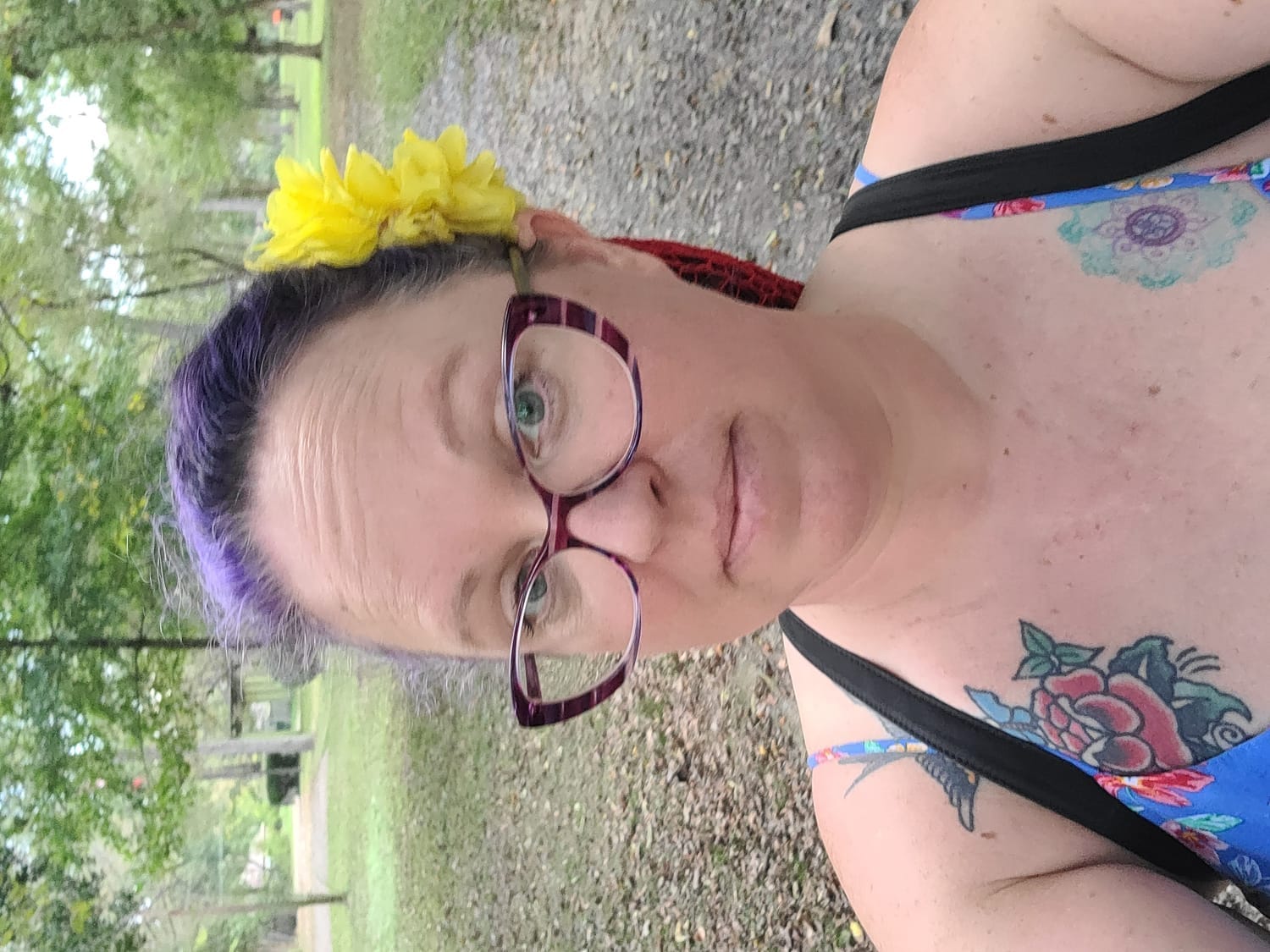
HEY, I’M Brandy…
Most business owners are taught how to start a business. Very few are taught how to organize one. At first, keeping track of everything in your head works well enough. Then the notes pile up, the projects multiply, and finding what you need starts taking longer than it should. Rooted exists to help make sense of the systems, workflows, and behind-the-scenes structure that keep a business moving.
These emails cover the side of business nobody talks much about. Systems, workflows, organization, and all the behind-the-scenes pieces that help everything work together.
Newsletter
Nobody talks much about this part of running a business. Join the newsletter for practical ideas on systems, workflows, organization, and the operational side of running a business.